
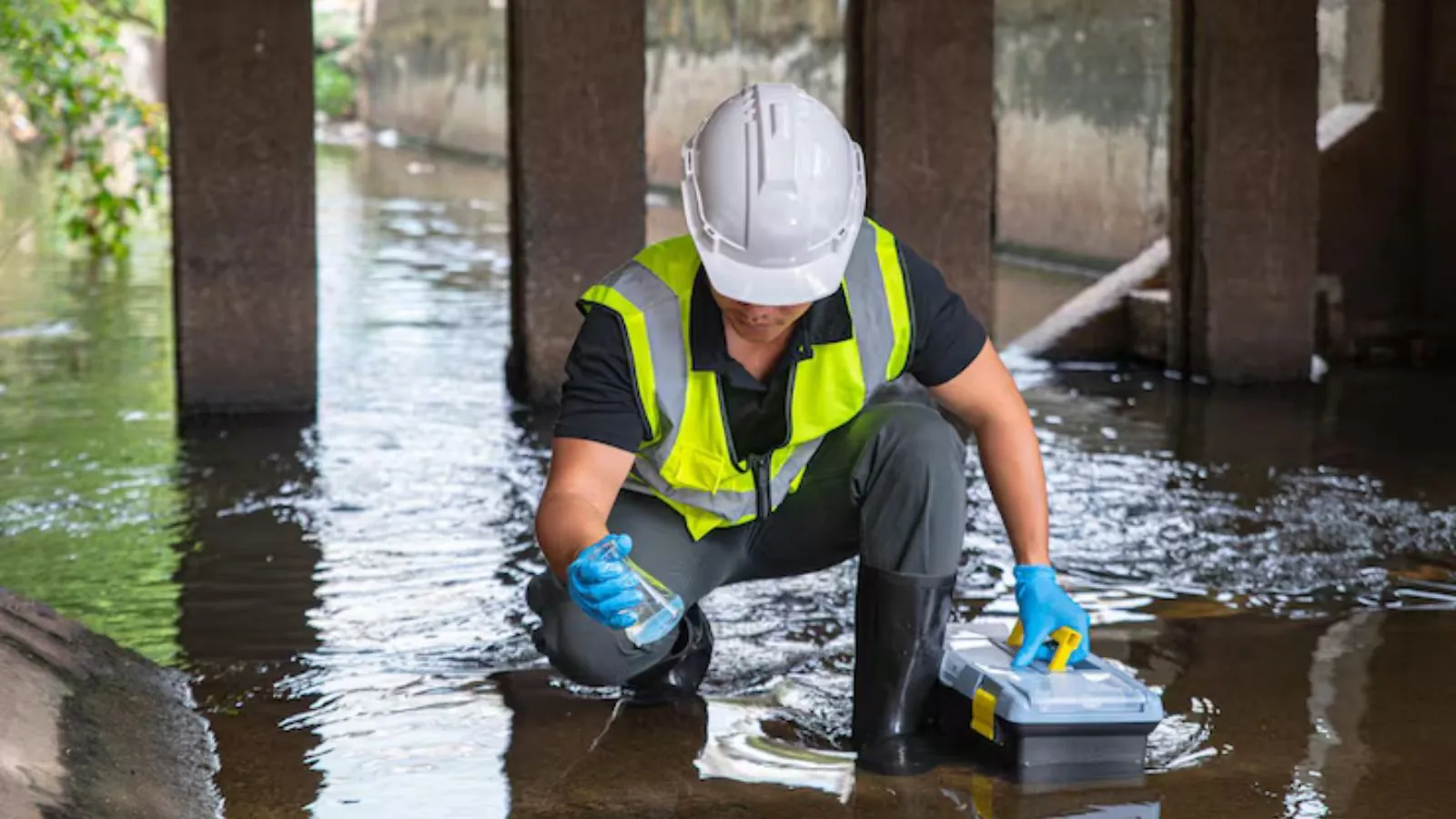
Standing water is an emergency because every hour it sits, it wicks into drywall, baseboards, insulation and the subfloor. Emergency water extraction in Trussville, AL means pumps and extraction units remove the water first, before any drying equipment is set up. The phone line is open 24/7, so a call at 2 a.m. gets the same attention as one at noon.
While you wait, stop the source if you can reach the shut-off, lift valuables off the floor and keep children and pets out of the water. If the water touches outlets, a panel or an appliance cord, stay out and call the utility or 911 before you call us.
Water is spreading right now? Call (833) 521-1033. The line is open 24/7.
When standing water is an emergency
Not every wet floor needs a crew, but some situations leave no room to wait. Water that is more than a puddle, water that came from a sink drain, a toilet or the yard, and water that has been in a room overnight all need extraction. A wet vac handles a spilled bucket. It does not handle an inch of water across a finished room.
Callers often describe a laundry room that is ankle deep, a kitchen floor that filled after a pipe let go, or a whole level that took water in the night. All three are extraction jobs. If the water reached carpet, the clock is shorter, because carpet and pad hold water like a sponge.
How extraction works
A crew starts by finding where the water is deepest and where it is traveling. Truck-mounted or portable extraction units pull the bulk of it through hoses, and submersible pumps handle depth. Wands with a flat head then work across carpet and hard floors to lift what the first pass leaves behind.
After the standing water is out, moisture meters read the floor, baseboards and lower walls. Thermal imaging shows wet areas behind finished surfaces. Those readings decide whether the next step is drying, pad removal or opening a wall.
What the crew uses
- Submersible pumps for depth and fast bulk removal.
- Truck-mounted or portable extraction units for the main pull.
- Weighted and flat extraction wands for carpet and hard floors.
- Moisture meters and thermal imaging to find what is still wet.
Water categories change the plan
Clean supply-line water is handled differently from water that came up a floor drain or in from the yard. Category 1 is clean, Category 2 carries some contamination, and Category 3 is grossly contaminated. The category decides what can be dried in place and what has to come out, following the ANSI/IICRC S500 standard for water damage restoration.
If the water is dark, smells of sewage or came from outside, treat it as contaminated and skip the wet vac. The sewage backup cleanup page covers that case in detail.
| What you see. | What it usually means. | What happens next. |
|---|---|---|
| Inch of clear water across a room. | Supply line or appliance failure. | Extraction, then moisture readings on floor and walls. |
| Water seeping up from a floor drain. | Drain or sewer backup. | Treat as contaminated, extract and sanitize, remove porous materials. |
| Wet carpet, no standing water. | Water has already soaked in. | Pad lifted, carpet extracted, then drying equipment. |
| Ankle-deep water in a laundry room. | Hose or valve break, or a long run. | Pump out, then check the walls behind the machines. |
Extraction in Trussville homes
Homes in Trussville range from 1930s Cahaba Project cottages to newer communities such as Trussville Springs. Older houses with pine floors need extraction to start early, because wood that stays wet can cup. Newer finished lower levels often have carpet over pad, which should be lifted soon after water is removed.
We take calls from Trussville, Clay, Leeds, Pinson, Moody and Odenville. If the water came from outside during a heavy rain, check the FEMA flood map for your address and ask your insurer how flood damage is treated, since many homeowner policies exclude it.
Extraction is the start, not the finish
Pulling out the water stops the problem from getting worse, but wet building materials still hold moisture. Drywall, insulation and framing dry slowly without equipment. That is why extraction is usually followed by structural drying and dehumidification and, where the cause was a burst line, by a look at the burst pipe damage behind the wall.
If water has spread across a business floor, the same steps apply at larger scale. See commercial water damage restoration for how that differs.
What to document for your insurer
Take photos of the water line on walls and furniture before extraction starts. Note the time you found the water and what you did to stop it. Keep any damaged items until your insurer says you can discard them. Moisture readings and an itemized scope written before work begins also help an adjuster see what was lost.
Coverage depends on the cause and your policy, so ask your insurer what applies. Sudden and accidental water from a failed line is often covered, while flood from outside usually is not.
What sets the cost of Water Extraction
Extraction cost depends on how much water there is and what it touched. These are the factors that set the scope.
| Cost factor. | What changes it. |
|---|---|
| Water category. | Clean water needs less handling than gray or contaminated water.. |
| Depth and square footage. | An inch across one room differs from a flooded level.. |
| Materials affected. | Carpet and pad, hardwood, drywall and insulation each need their own steps.. |
| Equipment and hours. | Pumps, extraction units and the number of passes needed.. |
| Follow-on work. | Drying days and any repair after extraction.. |
Want your real number? Call (833) 521-1033 and the scope and price are explained before any work starts.
Questions about Water Extraction
Do you handle water extraction emergencies at night or on weekends in Trussville?
Yes. The phone line is open 24/7, including nights, weekends and holidays. Describe where the water is, how deep it is and whether it is touching electrical items, and we will explain next steps while the crew is arranged.
Can a wet vac from the hardware store do the job?
For a small spill, yes. For standing water across a finished room, a wet vac pulls too little and leaves water in carpet pad and under baseboards. Extraction units and pumps move far more water and leave less behind.
Do you pump out yards, pools or outdoor areas?
No. This service is for water inside homes and buildings. Yard or pool pumping is a different trade.
Should I turn off the power before water is removed?
Only if you can reach the panel without stepping in water. If the panel or outlets are wet, stay out and call the utility or 911 first.
What happens after the water is out?
Moisture meters and thermal imaging show what is still wet. Wet drywall, insulation and flooring are then dried in place or removed, depending on the water category and how long they stayed wet.