
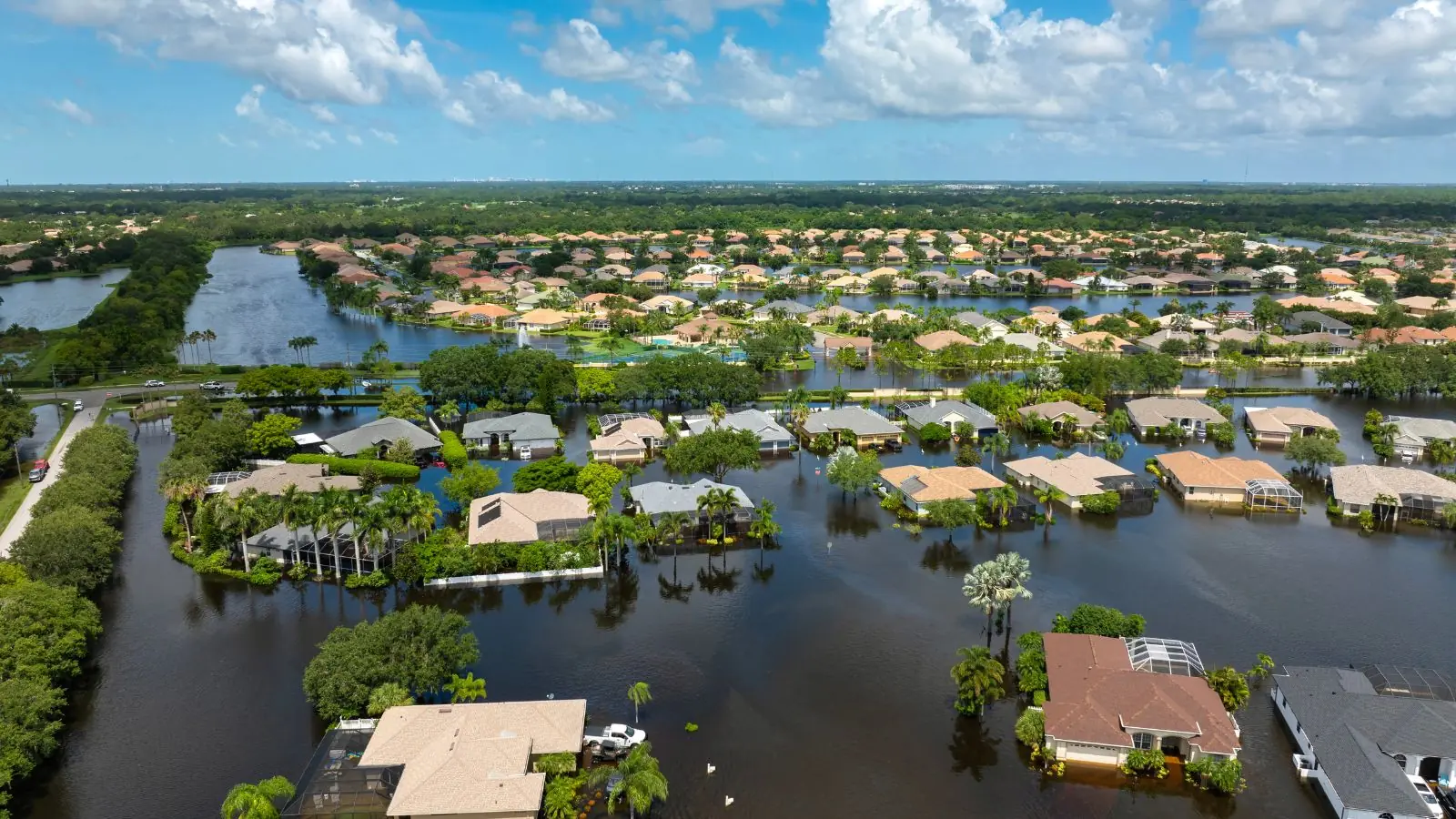
Storm water damage starts when wind or hail opens the building envelope and rain gets inside. Emergency storm water damage cleanup in Trussville, AL covers the water in attics, ceilings and walls after a storm, along with drying and repair. The phone line is open 24/7, including during and after severe weather.
Stay safe first. Do not go onto a damaged roof, and stay away from downed lines. Cover openings with a tarp if you can do it from the ground. Take photos of the damage and call us once the storm has passed.
Water is spreading right now? Call (833) 521-1033. The line is open 24/7.
When storm water is an emergency
Water that comes through a damaged roof, a broken window or a failed door seal keeps coming as long as it rains. That makes tarping or sealing the opening a top priority, and a roofer or a board-up service often comes before restoration. We remove the water that got in and dry what it soaked.
This page covers wind, rain and storm-event intrusion through the envelope. For rising water outside the home, see flood damage cleanup. A plain roof leak with no storm is covered on the ceiling water damage repair page.
What weather has hit the area
Central Alabama sees severe weather in several seasons. The National Weather Service Birmingham office documented heavy rain and flooding across the region on April 6 and 7, 2014, and a January 23, 2012 EF3 tornado damaged or destroyed 231 homes and businesses in nearby Clay. These events are history, not a forecast for your street.
The practical lesson is to know your coverage before a storm, photograph your home when it is undamaged and keep roof and gutter maintenance current. Ask your insurer how wind, hail and water from rain are treated.
Typical storm intrusion paths
- Roof covering lifted or missing, letting rain reach decking and insulation.
- Flashing and vents that fail around chimneys and skylights.
- Windows and doors that leak under wind-driven rain.
- Gutters and downspouts that overflow against a wall.
- Siding that lets water behind it into a wall cavity.
How cleanup proceeds
After the opening is secured, we extract standing water and read moisture in the attic, ceilings and walls. Wet insulation is removed. Air movers and dehumidifiers dry framing and drywall, and finished surfaces are repaired. Siding leaks that reached a wall require checking the cavity behind the drywall.
Moisture can travel from an attic into a ceiling and down a wall, so the crew follows the path. For wall steps, see wall and drywall water damage repair.
| Storm damage. | Where water goes. | What we address. |
|---|---|---|
| Missing shingles or metal panels. | Attic insulation, ceilings. | Remove wet insulation, dry, repair drywall. |
| Broken window. | Floors and walls under it. | Extract, dry, repair finishes. |
| Siding leak. | Wall cavity, interior drywall. | Open the wall, dry, repair. |
| Gutter overflow. | Wall base, foundation edge. | Check wall bottoms and crawl space. |
Storm cleanup across the service area
After a large storm many homes need help at once, and the phone line is open 24/7 to take calls in order. We serve Trussville, Clay, Leeds, Pinson, Moody and Odenville. The Leeds page covers what is specific there.
Temporary protection before restoration
While the weather is still active, the goal is to limit more water. A roofer or board-up service can tarp a roof or cover a window, and many insurers expect you to take reasonable steps to prevent further loss. Keep receipts for tarps and emergency repairs, and photograph the opening before and after it is covered.
Inside, move furniture away from wet ceilings and empty a bucket under any drip. Do not use a ceiling fan or light fixture if water is dripping from it. Once the weather clears and the opening is secure, restoration can proceed with extraction and drying.
Insurance after storm damage
Wind and hail damage is usually handled under a homeowner policy, but separate deductibles may apply, so ask your insurer. Photograph the roof damage from the ground, the interior stains and any tarps. Keep receipts for emergency repairs. We provide moisture documentation for the water damage.
What to do before we arrive
Storm water is rarely clean.
- Stay out of rooms where water is touching outlets or appliances..
- Wear boots and gloves if you must walk through it..
- Do not run fans or the HVAC until the area is checked..
- Photograph the high-water line before anything is moved..
Storm water is generally handled as contaminated under ANSI/IICRC S500, which affects what porous material can be kept.
What sets the cost of storm water damage
Storm cleanup depends on how long water entered and how far it traveled.
| Cost factor. | What changes it. |
|---|---|
| Opening size. | A few shingles differ from a missing section of roof.. |
| Rain duration. | Longer rain means more water inside.. |
| Rooms affected. | Attic, ceilings, walls and floors.. |
| Insulation and drywall. | Wet insulation is removed and drywall dried or replaced.. |
| Drying days. | Humid weather can lengthen drying.. |
Call (833) 521-1033 for your scope. Price is explained before work starts.
Questions about storm water damage
Do you handle storm water emergencies at night or on weekends in Trussville?
Yes. The phone line is open 24/7, including after severe weather.
Do you tarp roofs?
We focus on water removal and drying. A roofer or board-up service secures the opening.
Does homeowners insurance cover storm water damage?
Often, but deductibles differ. Check your policy and ask your insurer.
What if the storm also caused flooding outside?
Flood damage is treated separately and often needs a flood policy. See the flood page.
How soon should I call after a storm?
As soon as it is safe. Water left in insulation and drywall keeps spreading.