
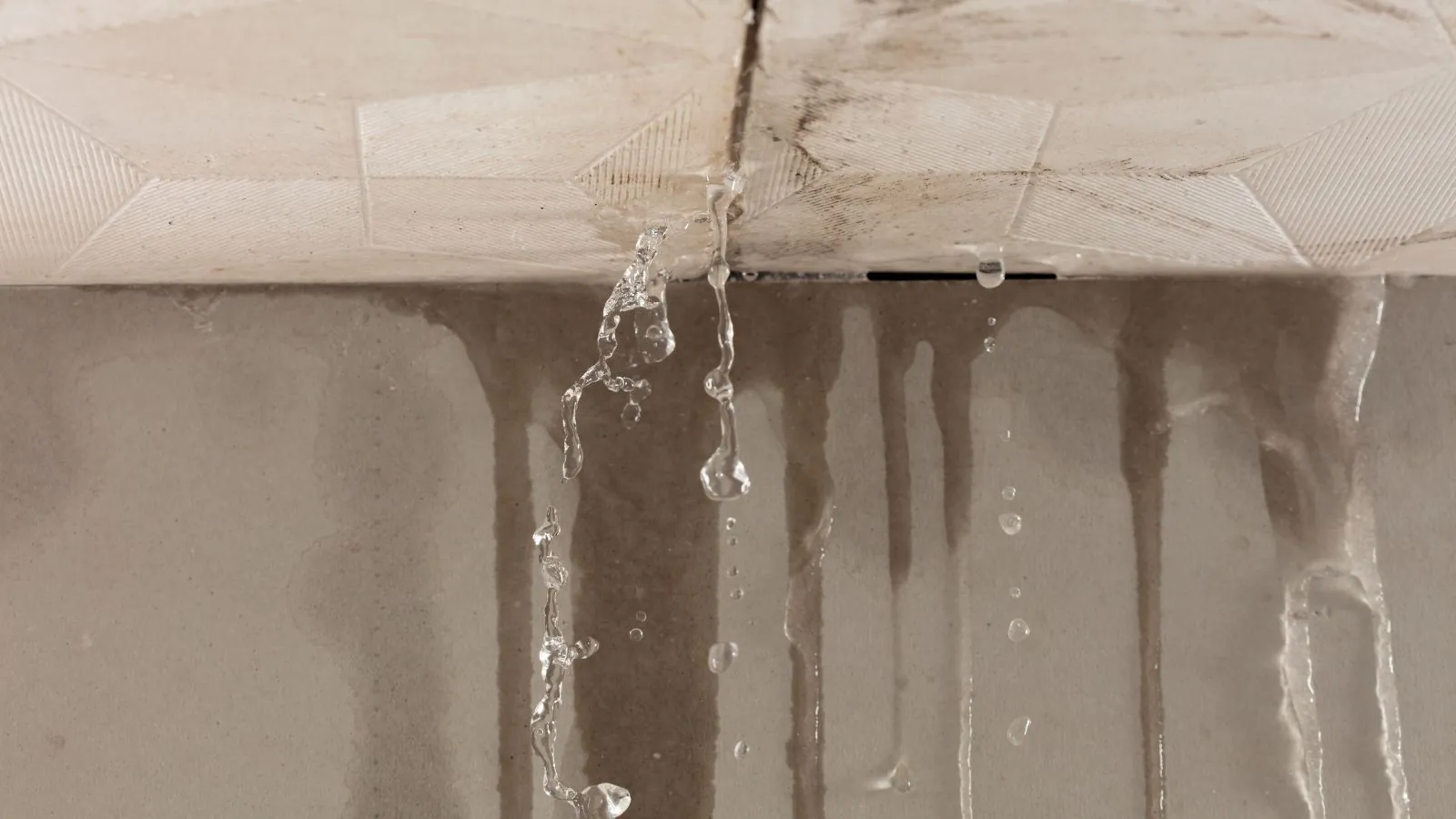
Storm preparation for water damage is mostly about two things: keeping water out and being ready if some gets in. Wind and heavy rain find weak spots in roofs, windows and drainage, and a few hours of preparation can make cleanup smaller.
This guide covers the outside checks, the inside checks and the records to keep. It is written for homeowners in central Alabama, where severe weather can arrive in more than one season.
Water is spreading right now? Call (833) 521-1033. The line is open 24/7.
Check the roof
Look for missing, cracked or lifted shingles, damaged flashing around chimneys and vents and sagging areas. You can inspect from the ground with binoculars. Do not climb on a wet or steep roof.
If something looks wrong, ask a roofer to inspect before storm season. A roofer secures the roof, and a restoration crew handles the water that gets in. Our storm water damage cleanup page explains the order.
Clear gutters and downspouts
Gutters full of leaves overflow and send water down the wall or toward the foundation. Clear them and check that downspouts empty several feet from the house. Splash blocks or extensions help.
Check that joints are tight and that nothing is pulling away from the fascia. Water behind a gutter can rot the board and enter the wall.
Look at grading and drainage
Soil should slope away from the foundation. Low spots, filled flower beds and paved areas that slope toward the house all send water to the wall. Fix small problems with soil and extensions, and call a contractor for larger ones.
Know where water goes on your lot during a heavy rain. If you see standing water near the foundation, note it and address it before the next storm.
Seal and protect openings
Check window and door seals, caulk around penetrations and weatherstripping. Look at the vent covers on the roof and the wall. Wind-driven rain finds gaps that normal rain does not.
If you have a basement or crawl space, check window wells and covers. See basement water damage cleanup if you have had leaks there before.
Test the sump pump and know your shut-offs
If you have a sump pump, test it by pouring water into the pit. Check the discharge line and consider a battery backup for power outages. A pump that fails in a storm is a common cause of a flooded basement.
Know where the main water valve and the electrical panel are. Everyone in the home should know how to close the water valve. If you do not know, read our guide on shutting off the water main.
Document your home
Take photos or video of every room, the roof, the exterior and your valuables. Store them in the cloud or on a drive away from home. Keep a list of major items with approximate values.
Review your insurance policy before a storm. Ask what it covers for wind, rain and flood and what the deductibles are. Water from rising ground is often treated differently from rain through a roof, so ask.
If water gets in anyway
Move belongings away from the water, catch drips with containers and photograph the damage. Stay away from electrical hazards. Call the 24/7 line and describe what you see.
Dry quickly. Wet materials begin to break down in a day or two, and mold can follow. See water extraction for what crews do first.
A pre-storm checklist
- Inspect the roof from the ground and call a roofer for any damage..
- Clear gutters and extend downspouts..
- Check grading and fill low spots near the foundation..
- Test the sump pump and its backup power..
- Locate the water main and the electrical panel..
- Photograph every room and your valuables..
- Save your insurer's claim number and phone number..
During the storm
Stay safe first. Move to the safest part of the building if severe weather is forecast, and follow instructions from local authorities. Do not go outside to check for leaks during a storm.
If you see water entering, move belongings away and catch drips if it is safe. Photograph the water if you can do so from a safe place.
After the storm
Check the roof and ceilings once it is safe. Look in the attic for wet insulation and stains. Look at the basement or crawl space for water.
Photograph everything before you move it. Call your insurer and then call us if water has entered. Dry quickly, since materials start to break down in a day or two.
Protect valuables and documents
Move irreplaceable items such as photos, papers and electronics off floors and out of basements before a storm. Store important documents in a waterproof container or scan them to the cloud. Keep chargers and a flashlight where you can reach them.
If you have a lower level that has flooded before, keep valuables upstairs during storm season. A few minutes of moving boxes can prevent a loss that is hard to replace.
Know who to call
Write down the numbers you will need: your insurer, the utility, a roofer and the 24/7 line. Phones may be busy after a storm, so having numbers ready helps. Save them in your phone and on paper.
After a big storm, many people need help at once. Call early, describe what you see and follow the steps you are given while you wait.
Storm history close to Trussville
On January 23, 2012, an EF3 tornado damaged or destroyed 231 homes and businesses in Clay, a few miles north of Trussville, according to the record of the event. That event came in January, which is a reminder that severe weather in Alabama is not limited to spring. Forecasters in the state describe a second severe weather season in late fall and early winter.
We do not predict storms or say which homes are at risk. Check the National Weather Service forecast for Birmingham and keep your records current.
Where to go next
Callers in Clay and Pinson ask about storm prep most often. See also ceiling water damage repair for leaks from above.
Questions readers ask
When should Trussville homeowners prepare for storms?
Before spring and again before late fall. Severe weather can occur in more than one season in Alabama.
Should I call a roofer or a restoration company first?
If a roof is open, call a roofer to secure it. Call us for the water that entered and for drying.
What records should I keep before a storm?
Photos or video of each room and the exterior, a list of valuables and a copy of your policy.