
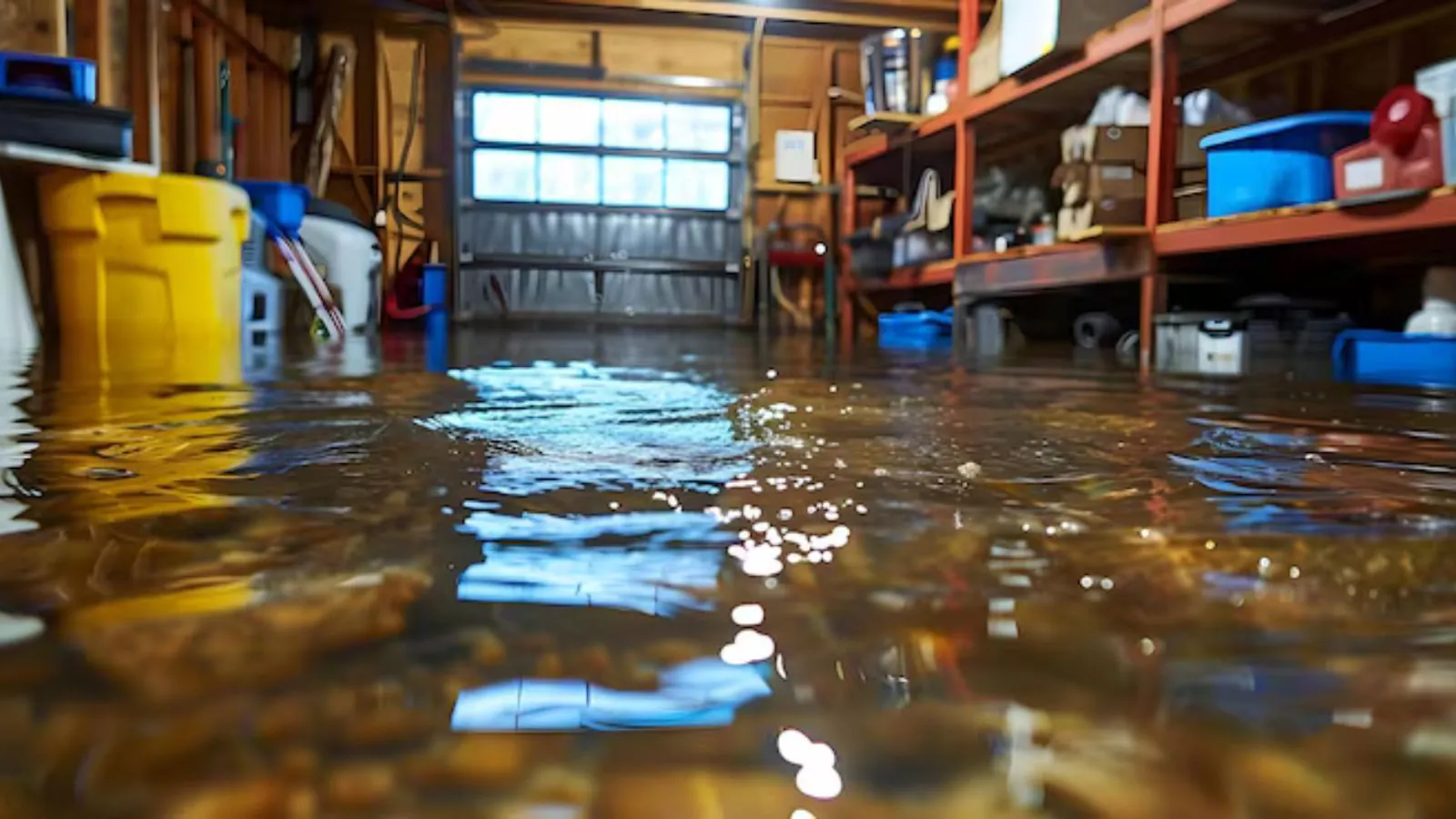
A small leak raises a hard question: is it worth calling the insurer? Filing a claim can cover real damage, but it can also affect your record and your premiums, and a small repair may fall under your deductible. We are not insurance advisors and cannot tell you what to do.
What we can do is explain the questions to ask, what to document and how restoration fits in. The decision is yours, and your policy is the final word.
Water is spreading right now? Call (833) 521-1033. The line is open 24/7.
Start with your policy
Read the sections on water damage, exclusions and the deductible. Policies differ on sudden leaks, long-term seepage, flooding and sewer backup. A sudden pipe break is often treated differently from a leak that went on for weeks.
If the language is unclear, call your agent and ask. Write down what you are told, with the date and the name of the person.
Know your deductible
The deductible is the amount you pay before coverage begins. If repair costs are close to or below the deductible, a claim may not pay anything. Ask your insurer how the deductible applies to water losses.
Get a scope and price for the work. We explain scope and price before work starts, which helps you compare it with your deductible.
Ask about the effect of a claim
Ask whether filing a claim, or even asking about one, can be recorded and whether it can affect renewal or pricing. Practices differ, so ask your agent directly. Ask the Alabama Department of Insurance if you have questions about your rights.
Ask whether you can report a loss without opening a claim. Some insurers distinguish between the two, and some do not.
Document everything
Photograph and video the damage, the source and the repairs. Keep the failed part, such as a hose or fitting, if you can. Keep receipts and notes of dates and calls.
Moisture readings and drying records support a claim, and a crew can provide them. See structural drying for what is recorded.
Do not wait to stop the damage
Policies generally expect you to take reasonable steps to prevent further damage. Stop the water, remove standing water and start drying. Waiting for approval while water spreads can make the loss larger and the claim harder.
Call your insurer and then call us. See water extraction for the first steps.
Small leaks that grow
A small leak that is not repaired can become a large loss. If a slow leak has soaked a wall or subfloor, the damage may be bigger than it looks. Moisture readings show what is wet.
If you decide not to file a claim, still dry the area properly. Trapped moisture leads to mold and larger repairs later.
Questions to ask your insurer
- Is this type of leak covered, and what is excluded?.
- What is my deductible for water damage?.
- Do I need to use a certain contractor?.
- What documents do you need?.
- Does reporting a loss affect my policy if no claim is paid?.
Talking to the adjuster
Be honest and factual. Describe what happened and when you found it. Provide photos and records. Ask what the adjuster needs and when you can expect a decision.
Take notes of each conversation. If you disagree with a decision, ask how to appeal and ask for the reasons in writing.
If you decide not to file
Some homeowners pay for small repairs themselves. Keep the invoices anyway, since a record of past water damage and repair is useful when you sell or when a later claim is filed.
Make sure the repair is complete and dry, so the problem does not return.
When to call us
Call us when water is present and you need it removed and dried. We provide moisture readings, photos and a written scope that you can share with your insurer.
The 24/7 line is open at all hours, and we explain scope and price before work starts.
Things people often overlook
Many people forget to ask about the deductible, about limits for certain types of water, or about whether a claim can be reopened later. Others discard the failed part before anyone has seen it. A few minutes of questions can prevent surprises.
Keep a folder for everything related to the loss. Include photos, emails, receipts and notes. Organization makes any claim easier.
How restoration records help
A restoration company can provide the date and time it arrived, the moisture readings, photos of the damage and a written scope. Insurers often ask for these. They help show what was wet and what was done.
We cannot decide whether a loss is covered. We can provide records so you and your insurer can make that decision on facts.
A calm way to decide
Write down the likely repair scope, your deductible and the questions your insurer answered. Compare them. If you are still unsure, ask your agent what would happen if the leak turned out to be larger than it looks.
Then decide. Whatever you choose, document the damage and dry the area completely.
Insurance questions for Trussville homeowners
Homes in Trussville and nearby towns across Jefferson and St. Clair counties are covered by many different policies, and rules on water, flood and sewer backup differ. In and near Trussville Springs, which sits beside the Cahaba River, ask about flood coverage separately, since water rising from the ground is often not covered by a standard homeowner policy. Check the FEMA Flood Map Service Center for your address.
We do not name carriers or promise coverage. Ask your own insurer and the Alabama Department of Insurance.
Where to go next
See burst pipe water damage for a common claim scenario. We serve Leeds and Pinson as well.
Questions readers ask
Who decides if my Trussville leak is covered?
Your insurer decides under your policy. Ask them and get the answer in writing.
Can I start drying before the adjuster comes?
Generally you are expected to protect the property. Photograph first, then stop the water and begin drying. Ask your insurer.
Does the restoration company file my claim?
No. You file the claim. We provide documentation such as photos and readings.